
Why did they stop killing whales?
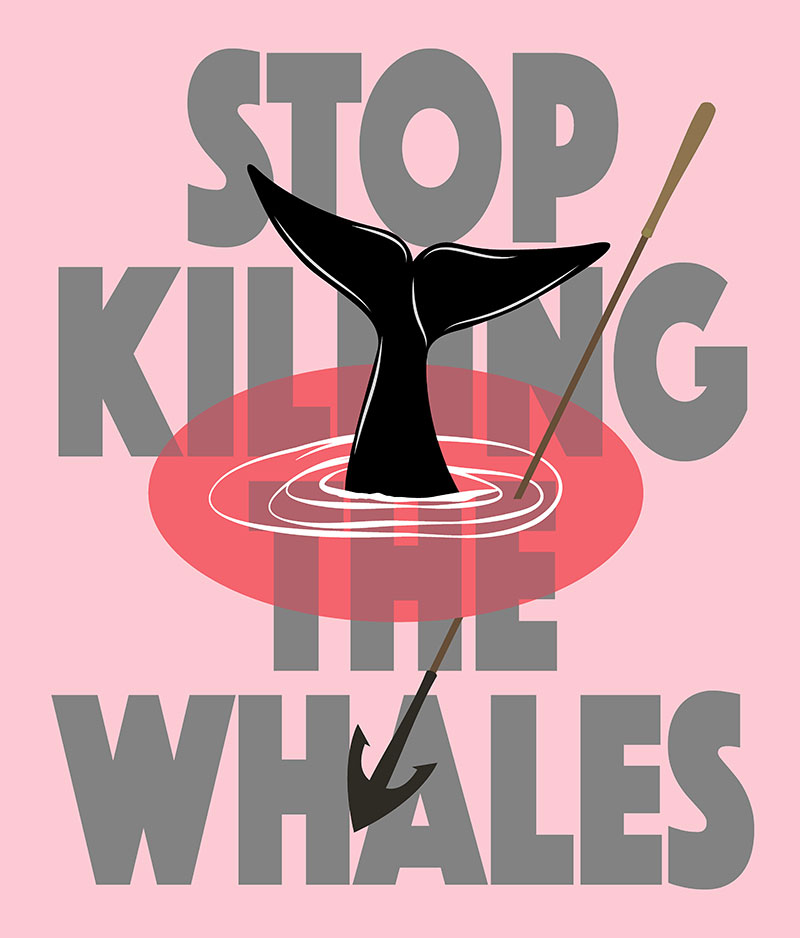
Why did people stop killing whales
The depletion of some whale species to near extinction led to the banning of whaling in many countries by 1969, and to an international cessation of whaling as an industry in the late 1980s.
When did we stop killing whales
Commercial whaling was banned in 1986. However, Japan, Norway, and Iceland have killed nearly 40,000 large whales since then. Over 100,000 dolphins, small whales, and porpoises are also killed in various countries each year.
When did whaling stop and why
Whaling started to decline towards the end of the 19th century, particularly when the discovery of petroleum in 1859 meant whale oil was no longer needed to make candles. The introduction of vegetable oil, steel bone corsets, gas lamps and eventually electric lights in 1879 all contributed to this decline.
Which country still kills whales
Which Countries Still Hunt Whales The countries where commercial whale hunting continues are Japan, Norway, and Iceland. Norway kills the most whales of the three countries. Iceland announced in February 2022 that it would stop its commercial whaling practices by 2024.
Can we live without whales
Without a population of whales, the krill on which they feed would multiply exponentially; in turn, krill will deplete the populations of phytoplankton and algae on which they feed, causing an imbalance in the marine ecosystem. Whales also play a role in carbon capture and help regulate the planet's climate.
Why don’t we eat whale meat
Its consumption has been denounced by detractors on wildlife conservation, toxicity (especially mercury), and animal rights grounds. Whale meat can be prepared in various ways, including salt-curing, which means that consumption is not necessarily restricted to coastal communities.
Who stopped whaling
IWC Puts a Moratorium on Whaling
In 1982, the International Whaling Commission issued a moratorium on commercial whaling that came into effect in 1986. Years later, in 1994, the Antarctic Whale Sanctuary was approved by the IWC.
Is whaling still a problem
Whaling is illegal in most countries, however Iceland, Norway, and Japan still actively engage in whaling . Over a thousand whales are killed each year for their meat and body parts to be sold for commercial gain. Their oil, blubber, and cartilage are used in pharmaceuticals and health supplements.
Why is whaling still a thing
Over a thousand whales are killed each year for their meat and body parts to be sold for commercial gain. Their oil, blubber, and cartilage are used in pharmaceuticals and health supplements. Whale meat is even used in pet food, or served to tourists as a 'traditional dish'.
When was whaling at its worst
In terms of number of vessels and whales killed, the peak was reached in 1852, when 220 ships killed 2,682 bowheads. Catches declined, and the fleet shifted to the Sea of Okhotsk in 1853–1854. Whaling there peaked in 1855–1857, and once that area began to decline in 1858–1860, they returned to the Bering Strait region.
Who has killed the most whales
Its industry continued to expand and by the mid-1930s, Norway had dominated the global whaling industry, taking up more than half of all whales killed and producing a large share of the world's whale oil which used to be a valuable source of fuel.
What were whales killed for
Nearly every part of the whale was used. Meat, skin, blubber, and organs were eaten as an important source of protein, fats, vitamins, and minerals. Baleen was woven into baskets and used as fishing line. In warmer climates, baleen was also used as a roofing material.
Will a whale save you
While it isn't common for whales to save humans, it is common for whales to save other creatures as they are altruistic towards other species. This article covers a video of a humpback saving a human from a tiger shark.
How much is a dead whale worth
It tried to tell the world how important whales are, so it put it in terms people could understand — money. The IMF took the per tonne price of carbon and multiplied it by the quantity that a single great whale could store in its body. The result: Each whale weighed out to an average of two million dollars.
Is it OK to eat whale
Can you eat whale meat Yes, whale meat has long been considered a delicacy in many countries worldwide. In most of the world, killing whales is unacceptable and in places, illegal. While whale meat is generally safe to consume when appropriately prepared, it still may contain harmful toxins like mercury.
What did whale meat taste like
What does whale taste like It's similar to reindeer or moose. Whale tastes much more like its hairy cousins on land than its gilled neighbors in the sea. In places where gamey meats are common—like Norway, Iceland, and among the indigenous people of Alaska—whale is served straight up with little or no seasoning.
Why won t Japan stop whaling
Hirata attributes Japan's pro-whaling anomaly to two factors. The first is cultural. Unlike Americans, Japanese people don't tend to see whales as charismatic mammals that should be protected from human consumption by a universal taboo.
Is whaling banned in Europe
Currently, 25 EU Member States are contracting governments to the ICRW. The IWC mandate covers both the management of whaling and the conservation of whales. It regulates commercial whaling, namely through a moratorium prohibiting commercial whaling enacted in 1986.
Is whaling still banned
In 1982 the IWC decided that there should be a pause in commercial whaling on all whale species and populations from the 1985/1986 season onwards. This pause is often referred to as the commercial whaling moratorium, and it remains in place today.
Is Japan still whaling 2023
Japan resumed commercial whaling in July 2019 after withdrawing from the International Whaling Commission, ending 30 years of what it called research whaling, which had been criticized by conservationists as a cover for commercial hunts banned by the IWC in 1988.
Why do we need whales
Whales are at the top of the food chain and have an important role in the overall health of the marine environment. Whales play a significant role in capturing carbon from the atmosphere; each great whale sequesters an estimated 33 tons of CO2 on average, thus playing their part in the fight against climate change.
Can a human survive in a whale for 3 days
The man who disappeared for several days after he went overboard during bad storm has return to share his survival tale. The 56-year-old fisherman Luigi Marquez claims that a whale swallowed him. According to Marquez he stayed there for three days and nights.
Has a whale ever helped a human
The whale came by her boat and that's when she saw its unique head scar. The whale nuzzled her as she returned to the water, giving an even happier ending to this sweet story. This may be the only recorded experience of how a humpback whale saves a diver from a shark.
Has a whale saved a human
The whale came by her boat and that's when she saw its unique head scar. The whale nuzzled her as she returned to the water, giving an even happier ending to this sweet story. This may be the only recorded experience of how a humpback whale saves a diver from a shark.
Are whales worth 2 million
One whale is worth thousands of trees — and about two million dollars, according to a recent study by the International Monetary Fund.


0 Comments